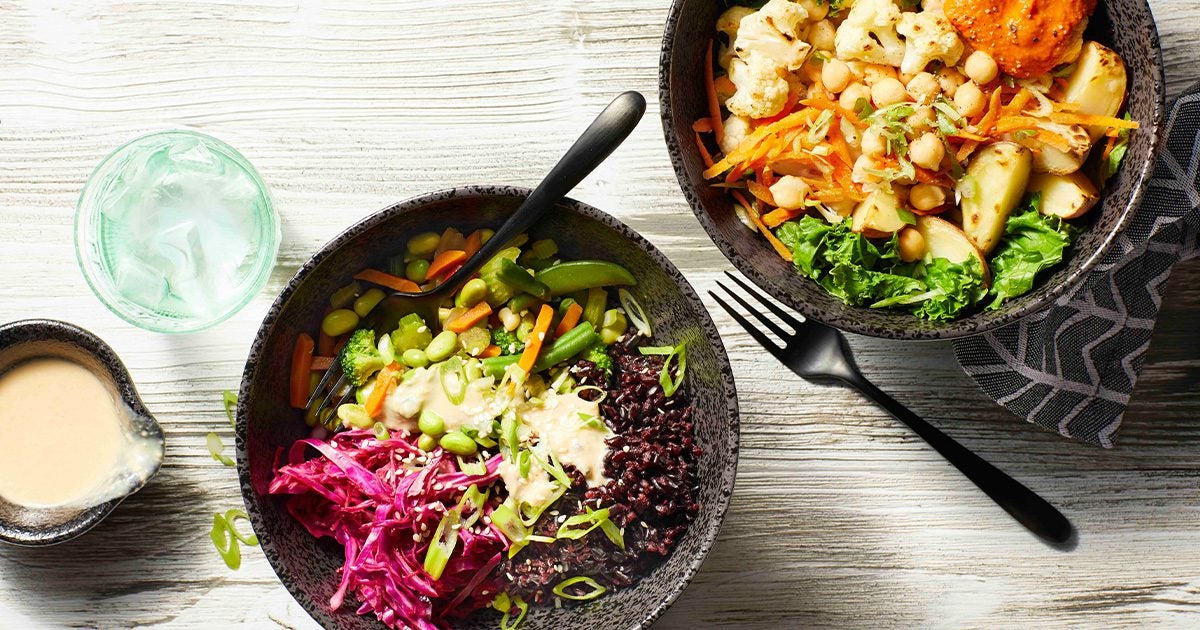
Mastering the Art of Buddha Bowls: Advanced Techniques and Meal Prep Strategies
You've explored the foundational elements and diverse combinations that make up the vibrant world of Buddha bowls, perhaps even learning how to make a buddha bowl - Article 1 with basic components and diving into specific recipes as detailed in how to make a buddha bowl - Article 2. Now, it's time to elevate your game. This article will guide you through advanced strategies, focusing on efficient meal preparation, global flavor exploration, and the art of crafting truly exceptional dressings. Mastering these techniques will transform your Buddha bowl experience from a simple meal into a consistent, healthy, and incredibly satisfying lifestyle choice.
The beauty of a Buddha bowl lies in its versatility and nutritional completeness. By understanding how to make a Buddha bowl that not only tastes incredible but also fits seamlessly into your busy schedule, you unlock a powerful tool for wellness. Let's delve into the secrets of creating perfect, personalized Buddha bowls every time.
The Ultimate Guide to Buddha Bowl Meal Prep Success
One of the most significant advantages of Buddha bowls is their adaptability to meal preparation. Prepping components in advance saves time during the week, reduces decision fatigue, and ensures you always have a healthy option readily available. When considering how to make a buddha bowl for meal prep, the key is intelligent organization and proper storage.
Strategic Component Preparation
- Grains: Cook a large batch of your chosen grain (quinoa, brown rice, farro, couscous). Once cooked, spread it on a baking sheet to cool completely before storing it in an airtight container in the fridge for up to 4-5 days. This prevents clumping and extends freshness.
- Roasted Vegetables: Roast a variety of vegetables like sweet potatoes, broccoli, Brussels sprouts, or bell peppers. Roasting adds immense flavor and can be done in one large batch. Again, cool completely before storing.
- Cooked Proteins: Prepare plant-based proteins such as baked tofu, tempeh, roasted chickpeas, or lentils. Marinade and cook them in bulk. Animal proteins like grilled chicken or salmon can also be prepped.
- Chopped Raw Vegetables: Wash, chop, and store durable raw vegetables like carrots, cucumbers, bell peppers, and radish slices. Delicate greens like spinach and mixed greens are best washed and stored but chopped right before assembly.
- Dressings and Sauces: Prepare your favorite dressings (see next section!) and store them in separate airtight jars. This is crucial for preventing soggy bowls.
- Toppings: Toast nuts and seeds, crumble cheese, or prepare a quick relish. Store these separately to maintain their texture.
Assembly Strategies for Freshness
To avoid a soggy mess by mid-week, it's best to store components separately and assemble your Buddha bowl daily or the night before. However, if you prefer to assemble a few bowls at once, here's a layering trick:
- Dressing First: Pour your dressing at the bottom of a wide-mouth jar or container.
- Hardy Vegetables/Grains: Next, add dense, non-absorbent vegetables (carrots, bell peppers) and your cooked grain.
- Proteins/Cooked Veggies: Layer your protein and roasted vegetables.
- Delicate Greens/Toppings: Finish with fresh greens, sprouts, and crunchy toppings like nuts or seeds.
When you're ready to eat, simply shake the container or empty it into a bowl and mix. This method keeps everything fresh and vibrant.
Elevating Your Buddha Bowl with Global Flavors and Unique Textures
Moving beyond the basic combination, let's explore how to infuse your Buddha bowls with exciting global flavors and intriguing textural contrasts. This is where how to make a buddha bowl becomes an adventure in culinary creativity.
Global Flavor Profiles to Inspire You
- Mediterranean Marvel: Start with quinoa, add hummus, falafel, roasted bell peppers, cucumber, Kalamata olives, cherry tomatoes, and a lemon-tahini dressing. Finish with fresh parsley.
- Asian Fusion: Base it on brown rice or soba noodles. Include marinated baked tofu or edamame, shredded carrots, bell peppers, cucumber, kimchi or pickled ginger, and a sesame-ginger dressing. Top with sesame seeds.
- Mexican Fiesta: Build with cilantro-lime rice. Add black beans, corn salsa, avocado slices, roasted sweet potatoes, a sprinkle of cotija cheese or nutritional yeast, and a creamy avocado-lime dressing. Garnish with fresh cilantro.
- Indian Spice Journey: Use basmati rice or millet. Incorporate curried chickpeas or lentils, roasted cauliflower, spinach, a dollop of mango chutney, and a cooling mint-yogurt or cashew cream dressing.
The Importance of Textural Contrast
A truly satisfying Buddha bowl doesn't just taste good; it feels good to eat. Aim for a mix of textures:
- Crunchy: Toasted nuts, seeds (pumpkin, sunflower, chia), crispy chickpeas, raw vegetables (shredded cabbage, carrots), croutons.
- Creamy: Avocado, hummus, tahini, cashew cream, soft goat cheese, a perfectly cooked runny egg yolk.
- Chewy: Sun-dried tomatoes, dried cranberries, tender roasted vegetables, hearty grains like farro.
- Fresh & Bright: Fresh herbs (cilantro, mint, parsley), sprouts, microgreens, a squeeze of lemon or lime.
The interplay of these textures adds depth and excitement to every bite, making your Buddha bowl irresistible.
Crafting the Perfect Buddha Bowl Dressings and Sauces
The dressing is the unifying element of any Buddha bowl – it brings all the disparate components together into a cohesive, flavorful meal. Learning how to make a buddha bowl shine often comes down to the quality of its dressing.
The Anatomy of a Great Dressing
Most dressings follow a simple formula: Fat + Acid + Sweetener + Flavorings (herbs, spices, aromatics).
- Fats: Olive oil, avocado oil, tahini, nut butters (peanut, almond, cashew), plant-based yogurts.
- Acids: Lemon juice, lime juice, apple cider vinegar, balsamic vinegar, red wine vinegar.
- Sweeteners (optional): Maple syrup, agave nectar, honey (if not vegan), a date.
- Flavorings: Garlic, ginger, soy sauce/tamari, dijon mustard, nutritional yeast, fresh herbs, dried spices (cumin, paprika, chili powder).
Versatile Dressing Recipes to Master
- Classic Tahini-Lemon: Whisk together ½ cup tahini, ¼ cup fresh lemon juice, 2 cloves minced garlic, 2-4 tbsp water (to desired consistency), salt, and pepper. Add a pinch of cumin for extra depth.
- Creamy Avocado-Lime: Blend 1 ripe avocado, ¼ cup lime juice, ¼ cup water, 2 tbsp olive oil, a handful of cilantro, 1 clove garlic, and a pinch of salt.
- Ginger-Sesame Vinaigrette: Whisk 3 tbsp rice vinegar, 2 tbsp soy sauce (or tamari), 1 tbsp sesame oil, 1 tbsp grated fresh ginger, 1 tsp maple syrup, and 1 minced garlic clove. Slowly drizzle in 3 tbsp neutral oil (like grapeseed or avocado oil) while whisking.
- Spicy Peanut Sauce: Blend ½ cup peanut butter, ¼ cup warm water, 2 tbsp soy sauce, 1 tbsp rice vinegar, 1 tbsp maple syrup, 1-2 tsp Sriracha or chili garlic sauce, and 1 clove garlic.
Pro Tip: Always taste and adjust! Dressings often need a little more salt, acid, or sweetener to balance the flavors perfectly.
Troubleshooting and Advanced Tips for Perfect Buddha Bowls
Even seasoned Buddha bowl creators can encounter challenges. Here are some common issues and advanced techniques to refine your process of how to make a buddha bowl.
Common Buddha Bowl Problems and Solutions
- Blandness: The most common issue! Solution: Don't skimp on seasoning for individual components. Roast vegetables with plenty of herbs and spices. Always use a flavorful dressing. Add a squeeze of citrus or a dash of hot sauce right before eating.
- Soggy Greens/Ingredients: Solution: Store dressing separately. Ensure all cooked components are completely cooled before storing or assembling. If prepping ahead, use the layering technique described above.
- Lack of Variety: Solution: Embrace theme nights (e.g., "Mexican Monday," "Thai Tuesday"). Rotate your grains, proteins, and vegetables weekly. Experiment with new spices and global flavors.
- Too Much Chopping: Solution: Dedicate a specific "prep day" for chopping and cooking. Utilize pre-chopped vegetables from the grocery store when short on time. Invest in a good food processor.
Advanced Tips for Elevating Your Bowls
- Fermented Foods: Incorporate kimchi, sauerkraut, or pickled vegetables for probiotics, gut health, and a bright, tangy flavor boost.
- Sprouts and Microgreens: These add incredible nutrition, delicate texture, and a gourmet touch. Alfalfa sprouts, broccoli sprouts, or sunflower microgreens are excellent choices.
- Herbs, Herbs, Herbs: Don't underestimate the power of fresh herbs. A generous sprinkle of cilantro, parsley, mint, or basil can transform a bowl.
- Toast Your Seeds and Nuts: Lightly toasting nuts and seeds before adding them as a topping intensifies their flavor and crunch.
- Flavorful Cooking Liquids: Cook grains in vegetable broth instead of water for added depth.
By applying these advanced techniques and meal prep strategies, you'll not only master how to make a buddha bowl, but you'll also integrate healthy, delicious, and convenient eating into your daily routine. Each bowl becomes an opportunity for culinary creativity and a step towards vibrant well-being.
Conclusion
From understanding the basic components to mastering advanced meal prep, exploring global flavors, and crafting the perfect dressing, your journey to creating exceptional Buddha bowls is now complete. You've learned how to make a Buddha bowl that is not just a meal, but a canvas for nutrition, creativity, and personal taste. Embrace these strategies, experiment boldly, and enjoy the endless possibilities that this versatile and wholesome eating style offers. May your bowls always be vibrant, delicious, and incredibly satisfying!
