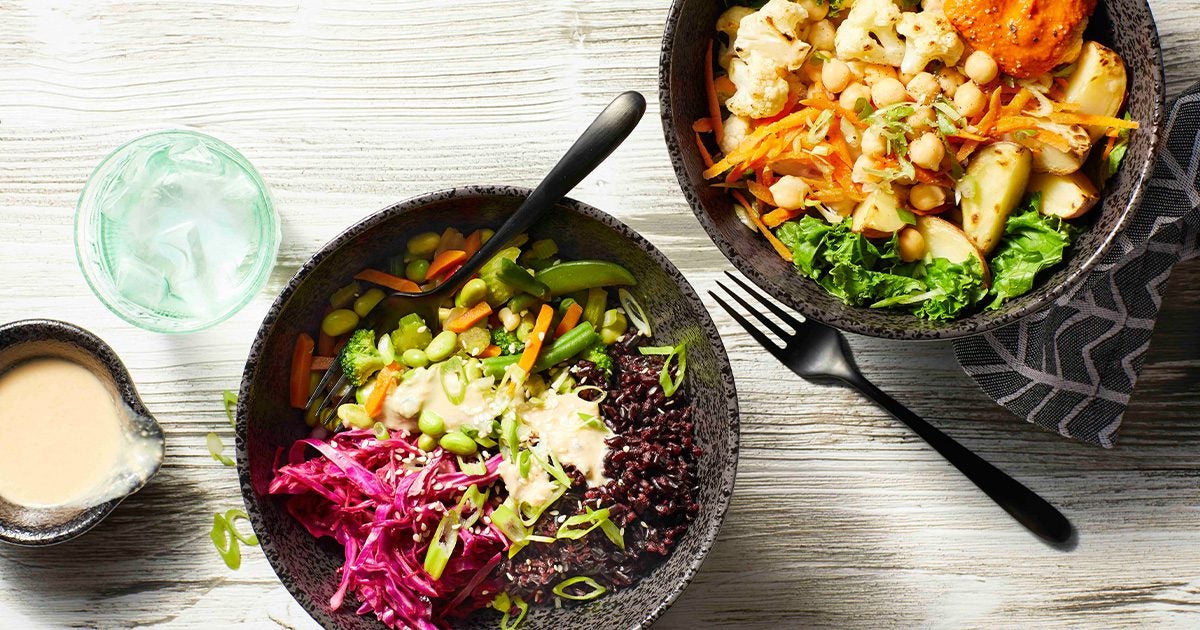
The Art of the Buddha Bowl: Beyond the Basics
If you've been captivated by the vibrant beauty and wholesome promise of a Buddha bowl, you're already on your way to transforming your meals. These nourishing, plant-based powerhouses are more than just a collection of ingredients; they're a canvas for culinary creativity and mindful eating. While our previous guide, how to make a buddha bowl - Article 1, laid the essential groundwork, this article dives deeper, exploring the nuances that elevate a simple assembly into a truly extraordinary dining experience. We're moving beyond basic components to master the art of balance, flavor layering, and visual appeal, ensuring every bite is as satisfying as it is healthy. Get ready to refine your technique and discover new possibilities as we explore the best practices for crafting your perfect Buddha bowl.
Mastering Your Buddha Bowl Components: A Deeper Dive into Flavor and Texture
The secret to a truly exceptional Buddha bowl lies in understanding and optimizing each of its core components. It's about more than just inclusion; it's about intentional preparation that maximizes flavor, texture, and nutritional value.
The Foundational Grains: Beyond the Usual Suspects
While quinoa and brown rice are excellent staples, don't shy away from diversifying your grain base. Consider:
- Farro: Chewy and nutty, perfect for absorbing dressings.
- Black Rice (Forbidden Rice): A visually stunning, slightly sweet grain packed with antioxidants.
- Bulgur: Quick-cooking and great for adding a lighter texture.
- Couscous: A tiny pasta that cooks in minutes and takes on flavors beautifully.
- Sweet Potato or Cauliflower Rice Mash: For a grain-free, nutrient-dense alternative, offering creaminess and natural sweetness.
Tip: Cook your grains in vegetable broth instead of water for an instant flavor boost. Add a bay leaf or a pinch of herbs during cooking for subtle aroma.
Protein Powerhouses: Elevating Plant-Based Choices
Proteins are critical for satiety and muscle health. For your Buddha bowl, focus on plant-based options that are both flavorful and texturally appealing:
- Crispy Baked Tofu or Tempeh: Marinade in soy sauce, maple syrup, ginger, and a touch of sriracha before baking or pan-frying until golden and slightly crisp.
- Spiced Roasted Chickpeas: Toss chickpeas with olive oil, smoked paprika, cumin, and garlic powder, then roast until crunchy.
- Lentils: Black or green lentils offer an earthy, hearty texture. Cook them with aromatics like onion and garlic.
- Edamame: Steamed and lightly salted, they add a bright green pop and gentle sweetness.
- Black Beans: Season with chili powder, cumin, and a squeeze of lime for a Tex-Mex twist.
Actionable Advice: Always marinate or season your proteins well in advance. This infusion of flavor is key to a delicious Buddha bowl.
Vibrant Vegetables: A Symphony of Colors and Nutrients
This is where your Buddha bowl truly shines! Aim for a mix of raw and cooked vegetables to achieve diverse textures and nutrients.
- Leafy Greens: Always include a base of fresh spinach, massaged kale (with a tiny bit of olive oil and lemon juice), or mixed spring greens.
- Roasted Vegetables: Broccoli florets, cauliflower, Brussels sprouts, carrots, bell peppers, or zucchini become sweeter and more tender when roasted. Toss with olive oil, salt, pepper, and herbs like rosemary or thyme.
- Crunchy Raw Vegetables: Thinly sliced cucumber, shredded carrots, radish, or bell pepper strips add refreshing crispness.
- Quick Pickled Veggies: Red onions, carrots, or cucumbers steeped in vinegar offer a tangy counterpoint that cuts through richness.
The variety of vegetables is not just for visual appeal; it ensures a broad spectrum of vitamins, minerals, and antioxidants in every how to make a buddha bowl - Article 3 inspired creation.
Elevating Your Buddha Bowl with Creative Sauces and Toppings
The sauce is often the unsung hero of the Buddha bowl, unifying all the components with a burst of flavor. Toppings add the final flourish, providing texture and concentrated taste.
The Unifying Element: Inspired Dressings and Sauces
A great dressing doesn't just coat; it complements, contrasts, and enhances. Here are some ideas:
- Creamy Tahini Dressing: Whisk together tahini, lemon juice, water (to thin), a touch of maple syrup or agave, minced garlic, and salt. This is a classic for a reason!
- Nutty Peanut Sauce: Blend peanut butter, soy sauce, lime juice, a hint of ginger, maple syrup, and sriracha with warm water until smooth.
- Bright Vinaigrettes: Olive oil, your favorite vinegar (balsamic, apple cider, red wine), Dijon mustard, and herbs.
- Miso-Ginger Dressing: White miso paste, grated ginger, rice vinegar, sesame oil, and a touch of honey or maple syrup.
- Avocado Lime Crema: Blend ripe avocado, lime juice, a handful of cilantro, a splash of water, and a pinch of salt until smooth and creamy.
Fact: Homemade dressings are almost always healthier and more flavorful than store-bought options, allowing you to control sugar and sodium levels. Learning how to make a Buddha bowl effectively means mastering your dressing game!
The Finishing Touches: Crunchy and Flavorful Toppings
Toppings provide that crucial textural contrast and a final burst of flavor.
- Nuts and Seeds: Toasted pumpkin seeds, sunflower seeds, slivered almonds, or sesame seeds add healthy fats and satisfying crunch.
- Fresh Herbs: A generous sprinkle of fresh cilantro, parsley, basil, or mint brightens the entire bowl.
- Sprouts: Alfalfa, radish, or broccoli sprouts offer a delicate crunch and a nutrient boost.
- Avocado Slices or Diced Avocado: For creamy richness and healthy fats.
- Crispy Onions or Shallots: For an extra layer of savory crunch.
- Nutritional Yeast: A sprinkle adds a cheesy, umami flavor, especially great if you're avoiding dairy.
Assembling Your Zen Masterpiece: Practical Tips for a Picture-Perfect Bowl
The visual appeal of a Buddha bowl is almost as important as its taste. Thoughtful arrangement makes the meal more enjoyable and Instagram-worthy!
- Start with the Base: Place your grain (or leafy green base) at the bottom of the bowl.
- Section by Section: Arrange your cooked vegetables, proteins, and raw vegetables in separate, distinct piles or sections around the bowl. This creates visual interest and allows each component to shine.
- Don't Overcrowd: While you want a hearty bowl, avoid piling ingredients too high that they spill over or get mushed together. Leave a little breathing room.
- The Drizzle: Drizzle your dressing artistically over the components, rather than just dumping it in the middle.
- The Final Flourish: Garnish with your chosen toppings – fresh herbs, nuts, seeds, or sprouts – right before serving.
Meal Prep Advantage: To make how to make a buddha bowl - Article 1 an easy reality for busy weeks, prepare all your components (cook grains, roast veggies, make dressing, chop raw veggies) on a Sunday. Store them separately in airtight containers. Then, each day, simply assemble your bowl fresh to maintain optimal texture and flavor. This strategy makes healthy eating incredibly convenient.
Customizing Your Buddha Bowl for Every Occasion and Diet
One of the greatest strengths of the Buddha bowl is its incredible adaptability. It can be tailored to virtually any dietary preference or seasonal availability.
Dietary Adaptations
- Gluten-Free: Naturally easy! Ensure your grains (quinoa, brown rice, millet) and any sauces are certified gluten-free.
- Nut-Free: Opt for tahini-based dressings instead of peanut or almond, and use seeds (sunflower, pumpkin) instead of nuts for crunch.
- Keto/Low-Carb: Focus on leafy greens as your base, load up on non-starchy vegetables, and choose higher-fat proteins like tempeh or avocado. Use an oil-based dressing.
- High-Protein: Double down on protein sources like lentils, chickpeas, tofu, or tempeh. Add edamame or nuts/seeds.
Seasonal Eating
Embracing seasonal produce not only supports local agriculture but also ensures you're eating ingredients at their peak freshness and flavor:
- Spring: Asparagus, peas, radishes, baby spinach, fresh herbs.
- Summer: Tomatoes, cucumbers, bell peppers, zucchini, corn, fresh berries (for a sweet twist!).
- Autumn: Butternut squash, sweet potatoes, Brussels sprouts, kale, apples (for a crunchy topping).
- Winter: Root vegetables (carrots, parsnips, beets), sturdy greens (collards, cabbage), hardy grains.
Thinking seasonally about how to make a Buddha bowl ensures a varied diet and exciting flavors all year round. For even more creative ideas and unique twists, be sure to check out how to make a buddha bowl - Article 3.
Conclusion
Mastering the art of the Buddha bowl is a journey of discovery, blending nutritious components with intentional preparation and aesthetic appeal. By focusing on quality ingredients, diverse textures, and dynamic flavor pairings, you transform a simple meal into a satisfying and mindful eating experience. Remember, the beauty of the Buddha bowl lies in its versatility—it's a reflection of your personal taste and dietary needs. So, continue to experiment, explore new flavors, and enjoy the delicious process of creating your perfect, balanced, and vibrant Buddha bowl. Happy assembling!
